
Job-site generators get hammered by three brutal environmental assassins: extreme temps, dust, and vibration. Cold’s gonna thicken your oil and freeze your diesel. Dust sneaks in and destroys bearings, filters, and electrical connections. Constant shaking tears apart mounting points and loosens everything. These environmental killers don’t play nice – they’re slowly killing your expensive equipment. Wanna know how to fight back? Keep scrolling, buddy.
Temperature Extremes and Generator Performance
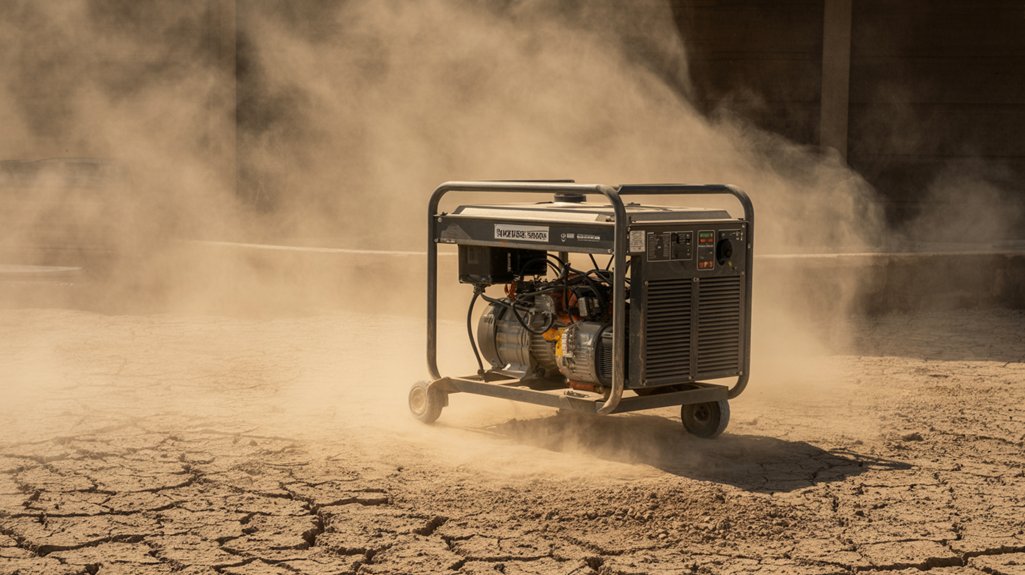
When Mother Nature decides to throw a tantrum, your job-site generator can take a serious beating.
Extreme temperatures wreak havoc on your power equipment faster than you can say “maintenance nightmare.” Cold can make engine oil thicken like molasses, while scorching heat turns electrical components into crispy critters.
Your generator’s performance plummets when temps go wild. Diesel engines struggle in freezing conditions, and cooling systems become useless paperweights when mercury rises.
Battery life? Forget about it. These sensitive machines can’t handle temperature mood swings.
Imagine trying to run a construction site when your generator decides to throw a temperamental fit due to it’s too hot or too cold. Brutal.
Temperature isn’t just a number—it’s a generator’s worst enemy.
Dust Contamination: The Silent Equipment Killer
After battling temperature demons, job-site generators face another ruthless enemy: dust.
This microscopic menace infiltrates every crack and crevice, silently wreaking havoc on your expensive equipment. Fine particles wear down moving parts, clog air filters, and compromise cooling systems faster than you’d believe.
Generators breathe air just like humans, but they can’t exactly blow their nose when dust gets thick. Metal components grind down. Efficiency drops. Performance suffers.
The desert? A dust bowl. Construction sites? A particle paradise. Industrial zones? A generator’s nightmare. One tiny grain of sand can create massive internal damage over time.
Dust doesn’t play nice. It attacks seals, bearings, and electrical connections without mercy. Your generator’s lifespan? Drastically reduced.
Prevention isn’t just smart—it’s survival.
Mechanical Vibration and Component Wear
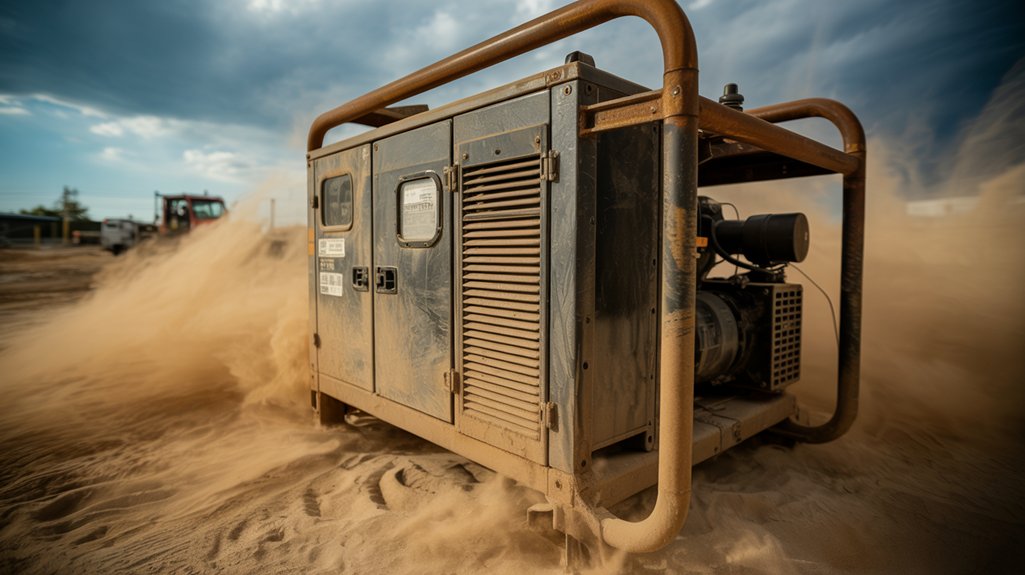
As generators aren’t exactly designed to dance, mechanical vibration becomes a serious equipment killer on job sites.
These metal monsters take a brutal beating every single day. Constant shaking breaks down components faster than you’d believe. Bearings wear out. Connections loosen. Mounting points stress and crack.
Your generator’s basically getting hammered by its own internal movements – and not in a fun way. Vibration transfers destructive energy through every single system, attacking weak points like a precision demolition crew.
Maintenance teams often underestimate how much damage happens invisibly. Mounting isolation systems can help, but they’re not magical shields. The more your generator runs, the more it rattles itself toward an early grave.
Brutal truth: mechanical vibration is your generator’s silent assassin.
Preventative Maintenance Strategies
Maintenance isn’t rocket science, but it matters big time:
- Regular oil changes keep your generator’s heart pumping strong
- Clean air filters prevent dust and grime from choking out performance
- Consistent coolant checks stop overheating before it becomes a nightmare
Your generator’s survival depends on you. Treat it like the workhorse it is.
No babying, just solid, consistent care. Ignore these basics, and you’ll be watching your expensive equipment turn into an oversized paperweight.
Not cool. Stay sharp, stay maintained.
Long-Term Cost Implications of Environmental Damage
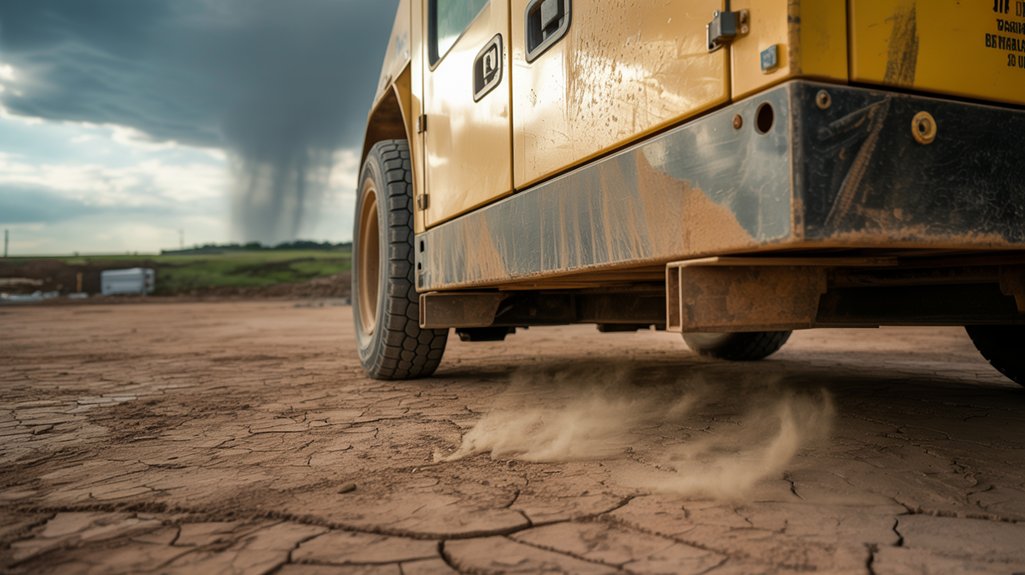
Keeping your generator running smooth is one thing, but understanding the environmental body blows it takes? Those harsh job sites don’t play nice. Dust infiltrates every crack. Heat scorches components. Cold freezes delicate mechanics. Each environmental assault chips away at your generator’s lifespan, silently draining your wallet.
You’ll be looking at massive replacement costs before you know it. Vibration? That’s another killer. Constant shaking loosens connections, wears out bearings, and creates micro-damage you can’t even see. One day, boom – catastrophic failure.
These environmental beatdowns aren’t just minor inconveniences. They’re systematic destruction of your expensive equipment. Metal fatigue, corrosion, electrical component stress – it’s a slow, expensive death march for your generator. No mercy in these tough work zones.
