
When you’re weighing generator choices, it’s a financial chess match. Renting looks cheap upfront, but buying can save serious cash long-term. Your job site needs dictate everything—electrical load, portability, fuel type. Maintenance costs bite hard either way. Small generators run $500-$2,000; big boys hit $6,000. Track your usage patterns ruthlessly. Rental includes service perks, ownership means total control. Want the full breakdown? Stick around.
Understanding Generator Cost Dynamics
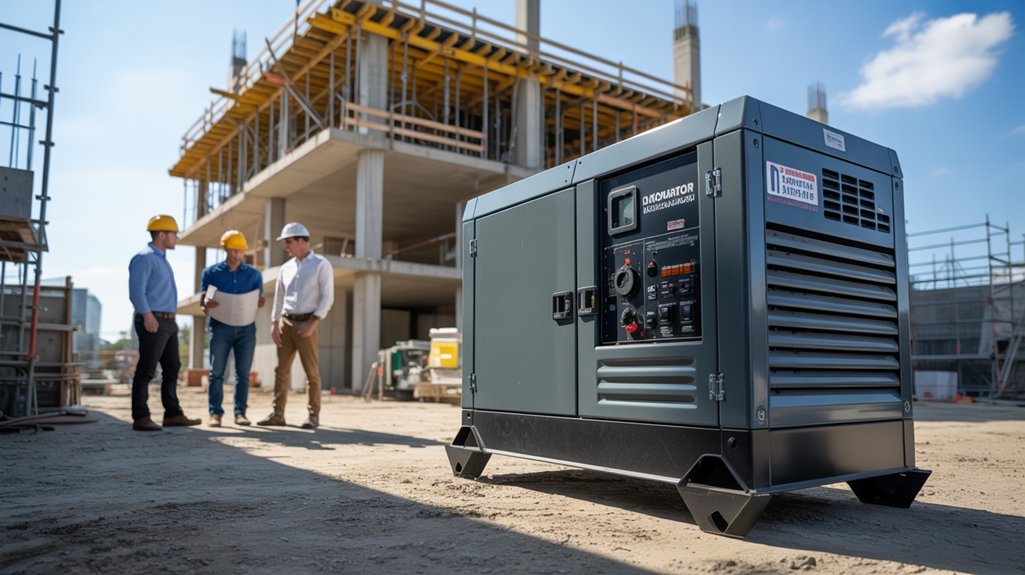
When it comes to generator economics, the cost dynamics can hit you like a sledgehammer to the wallet. Seriously. You’re looking at upfront prices that’ll make your eyes water. Some generators cost more than a sweet pickup truck.
Initial investment? Brutal. Maintenance costs? Another gut punch. But here’s the deal: you’ve gotta know what you’re getting into. Rental means predictable monthly fees. Buying means owning the beast outright.
Depreciation’s gonna happen either way. Power requirements matter big time. Size. Fuel type. Usage frequency. All these factors jack up the price tag.
One wrong move and you’re burning cash faster than diesel in an industrial generator. No sugarcoating it. Generator economics ain’t for the faint of heart.
Total Cost of Ownership Analysis
As generator ownership is more complicated than slapping down cash and calling it a day, total cost of ownership (TCO) digs deep into every dollar you’ll spend. You’ve gotta look beyond the sticker price.
| Expense Type | Purchase Cost | Annual Maintenance |
|---|---|---|
| Small Gen | $500-$2,000 | $100-$300 |
| Large Gen | $3,000-$6,000 | $500-$1,200 |
Breaking down TCO means tracking hidden costs. Fuel consumption? Huge factor. Maintenance? Another wallet-drainer. Depreciation hits hard, too. You’ll want to calculate repair frequency, replacement parts, and fuel efficiency. Some generators eat through diesel like a hungry beast. Others are more economical. Storage matters. Insurance matters. Downtime costs matter. Think strategically. Don’t just buy blind.
Project-Specific Equipment Requirements
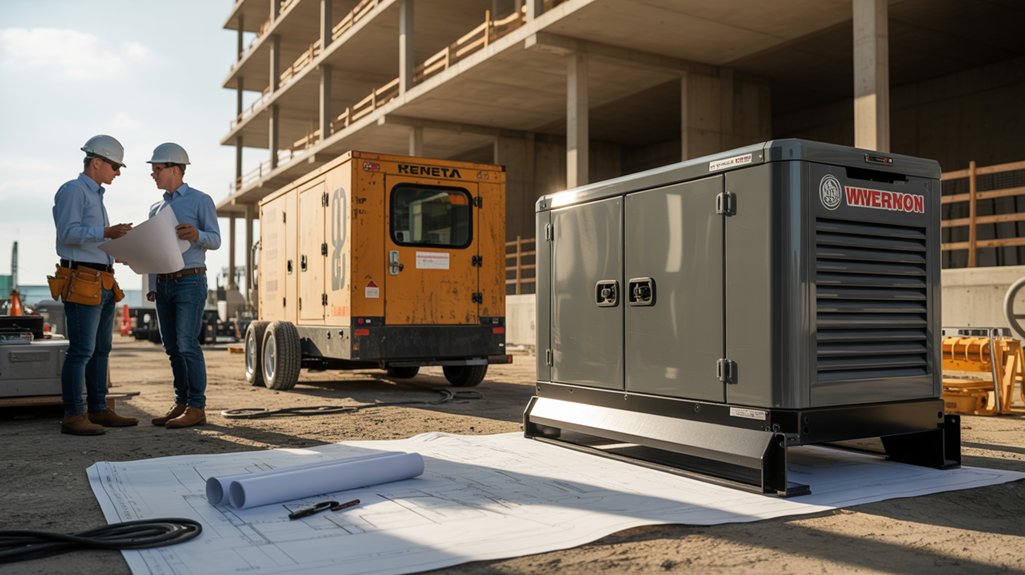
As every job site’s different, generator selection isn’t one-size-fits-all.
You’ve got unique needs that’ll make or break your power strategy. Watts matter. Runtime matters. Fuel type matters. Some sites demand diesel beasts, others want lightweight gas machines.
Your electrical load determines everything – don’t just guess. Voltage requirements? Critical. Backup power needs? Non-negotiable. You’ll want something that matches your specific equipment demands without overdoing or underdoing it.
Too small? You’re toast. Too big? Wasting cash.
Portability counts too. Will you be moving this thing around constantly or parking it in one spot? Weight and size become real factors.
Construction isn’t a game of close enough. Precision matters. Your generator’s gotta fit the job like a perfect tool in your belt.
Maintenance and Repair Considerations
After sorting out which generator fits your job site like a glove, you’re gonna want to think hard about keeping that machine running smooth.
Maintenance isn’t a joke—it’s what separates the pros from the amateurs. Rented generators often come with built-in service packages, which means less headache for you. No surprise repair bills. No scrambling when something breaks down mid-project.
When you own the equipment, you’re on the hook for every single maintenance task and unexpected repair. That means scheduling regular check-ups, tracking oil changes, and budgeting for potential part replacements. It’s a commitment.
Some guys love that control. Others? They’d rather focus on the actual work.
Bottom line: Know what you’re signing up for before making the call.
Technological Advancement and Equipment Obsolescence
Tech moves fast—blink and you’re obsolete. Generator technology’s changing faster than you can say “power surge.” Your equipment’s lifecycle isn’t just about wear and tear; it’s a high-stakes game of staying current.
- Newer generators boast better fuel efficiency
- Smart monitoring systems are game-changers
- Emissions standards keep getting stricter
- Hybrid and alternative fuel tech emerging
- Digital controls trumping analog systems
You’ll face a brutal choice: invest in upgrades or get left behind. Obsolescence isn’t just a fancy word—it’s your bottom line.
One day you’re cutting-edge, next day you’re paperweight. Generator tech doesn’t care about your budget or feelings. It evolves. You adapt. Or you don’t. Simple as that. Your move.
Flexibility and Scalability of Generator Solutions
Generators aren’t one-size-fits-all, and your power needs aren’t static. Some days you’re running a small residential job, other times you’ve got a massive commercial site that’s hungry for juice.
Renting gives you the flexibility to exchange generators like trading baseball cards. Need more power? Exchange. Less power? Switch. No long-term commitment. No headaches about maintenance or storage.
Your project requirements change constantly, and your generator setup should match that rhythm. Buying locks you into one specific capacity. Rental solutions let you scale up or down faster than a crane can lift a beam.
Smart contractors know adaptability is king. Why get stuck with equipment that might collect dust between gigs? Keep your alternatives open. Stay nimble.
Tax Implications and Financial Strategies
While most people get cross-eyed looking at tax codes, generator rentals and purchases have some serious financial implications that’ll make your accountant either smile or groan.
Tax strategies can seriously impact your bottom line when dealing with generator economics. Understanding the nuanced financial environment matters. Your approach determines potential savings and strategic advantages.
Considerations include:
- Depreciation write-offs for purchased equipment
- Section 179 tax deduction opportunities
- Rental expenses as direct business cost
- Potential state-level tax incentives
- Equipment investment credit variations
Navigating these financial waters isn’t for the faint of heart. You’ll need sharp pencils and sharper strategies.
Numbers don’t lie. But they can definitely confuse the heck out of you if you’re not paying attention. Smart contractors know the game. They crunch the digits. They understand every dollar saved is a dollar earned. Period.
Risk Management in Generator Procurement
When power’s your lifeline on a job site, risk management isn’t just some fancy buzzword—it’s survival.
You’ve got equipment that can make or break your project, so don’t screw around with second-rate generators. Reliability matters. One equipment failure can torch your timeline and budget faster than you can say “electrical outage.”
Smart contractors know generators aren’t just metal boxes—they’re mission-critical assets. You’ll want sturdy maintenance plans, solid warranty coverage, and backup strategies.
Equipment breakdowns? They’re not just inconvenient; they’re potential profit killers. Whether renting or buying, understand your machine’s performance envelope. Know its limits. Track its maintenance history. Monitor its operational metrics.
No excuses. Your reputation rides on keeping the lights on and the work moving. Period.
Long-Term Performance Metrics

As downtime kills profit margins, tracking long-term generator performance isn’t just smart—it’s survival economics.
You’ll want to keep a razor-sharp eye on metrics that separate the pros from the amateurs.
Performance tracking essentials:
- Fuel consumption rates
- Mean time between failures
- Maintenance cost per operating hour
- Total operational runtime
- Reliability percentage
Listen up. Numbers don’t lie. Your generator’s gotta work harder than a one-legged man in a butt-kicking contest.
Consistent monitoring means catching potential issues before they become wallet-draining nightmares. You’re not just watching a machine; you’re protecting your bottom line.
Weak performance? Cut it loose. Strong metrics? That’s your bread and butter.
No sugar-coating. Just raw, practical generator economics that keep you rolling and making cash.
Strategic Equipment Investment Frameworks
Strategic equipment investment isn’t just throwing cash at shiny metal—it’s about making every dollar work harder than a overtime grunt.
You’ve got to think tactical when sizing up generator procurement. Budget matters, but so does strategic positioning. Some contractors blow cash without thinking through actual usage patterns.
Smart moves mean understanding your specific project needs, not just impulse buying fancy gear. Performance metrics matter more than price tags. You’ll want equipment that matches worksite demands without excess baggage.
Rental might look cheaper upfront, but long-term calculations tell a different story. Equipment lifecycle, maintenance costs, and utilization rates become critical decision points.
Don’t just buy. Don’t just rent. Think like a financial ninja who understands every single dollar’s potential impact on your bottom line.
