
When running a generator on a residential job, you’ve gotta know the local noise rules. Decibel limits vary by city, typically 70-75 dB at property lines. Position your generator strategically—away from neighbors’ windows, on stable ground, and take into account wind direction. Inform neighbors about your project timeline. Use sound barriers like fences or landscaping. Avoid early morning or late-night noise. Mess this up, and you’re looking at fines, citations, and some seriously ticked-off locals. Curious about the details?
Understanding Local Noise Regulations
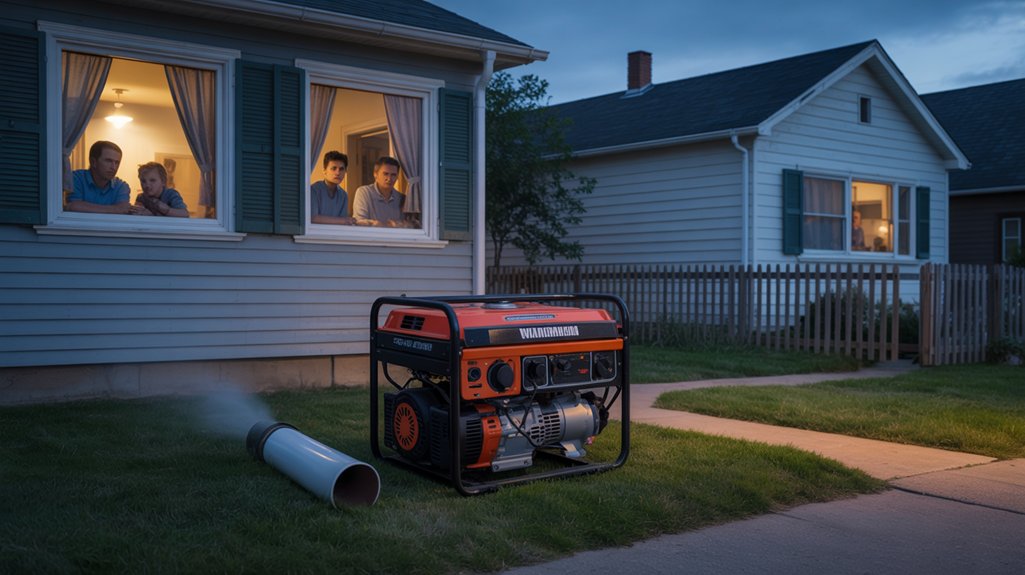
When you’re setting up a generator on a job site, noise regulations can be a real headache.
Cities and towns have different rules. Some places are strict. Some aren’t. You’ve gotta check before firing up that loud machine. Know your local decibel limits.
Some neighborhoods have specific time restrictions on noise levels. Early morning? Late evening? Might be off-limits. Residential zones typically have tighter controls than industrial areas.
Most municipalities require generators to stay below 70-75 decibels at property lines. That’s about as loud as a vacuum cleaner. Sounds simple, right? Not so fast.
Local ordinances vary wildly. What flies in one town might get you a nasty fine in another.
Smart move: call city hall. Get the official scoop before you start your project.
Assessing Site-Specific Sound Impact
Noise regulations are just the start. When you’re dropping a generator on a residential site, you’ve gotta read the surroundings. Sound travels weird. Some yards bounce noise like a pinball, others swallow it up. Your placement matters.
| Distance | Decibel Level | Potential Impact |
|---|---|---|
| 10 ft | 70 dB | Noticeable |
| 25 ft | 60 dB | Moderate |
| 50 ft | 50 dB | Minimal |
| 75 ft | 40 dB | Barely Heard |
| 100 ft | 30 dB | Negligible |
Walls, fences, terrain—they’re your acoustic buddies. Concrete blocks sound. Dense shrubs muffle. Hills deflect. Know your site’s acoustic personality. Don’t just plop that generator down like it’s no big deal. Every inch counts when you’re trying to keep the peace with neighbors who’ll complain faster than you can say “noise complaint.”
Strategic Generator Positioning Techniques
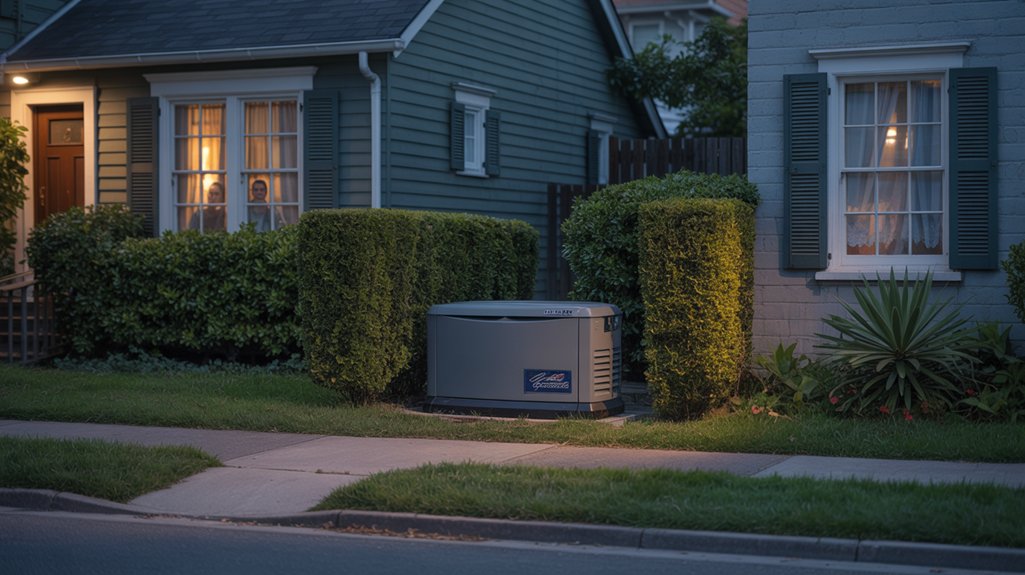
Four strategic positioning tricks can make or break your generator setup on a residential job.
First, always scope out wind direction. You’ll want to point the exhaust away from neighbor’s windows and living spaces. Big no-brainer.
Second, think about terrain. Flat surfaces are your friend. Uneven ground? Bad news. Stability matters.
Third, distance is key. Keep that beast far from sleeping areas and property lines. No one wants generator rumble at 2 AM.
Finally, contemplate sound barriers. Fences, walls, or strategic landscaping can muffle noise like a champ.
These placement hacks aren’t rocket science, just common sense. Get it right, and you’ll dodge noise complaints faster than a contractor dodges paperwork.
Smart positioning saves headaches—trust me.
Sound Reduction Equipment and Technologies
As generators can sound like a jet engine on steroids, smart contractors invest in sound reduction tech that’ll make the neighborhood think you’re running a library, not a power station.
Acoustic enclosures are your secret weapon. They’re basically soundproof boxes that wrap around your generator, muffling those ear-splitting decibels.
Foam-based sound dampening mats work wonders too – stick ’em on generator surfaces and watch the noise plummet.
Some pro-level setups use vibration isolation springs, which break up sound transmission like a boss.
Strategic placement matters big time – positioning generators away from residential windows and using natural barriers like walls or landscaping can drop noise levels dramatically.
Bottom line? Quiet generator = happy neighbors. No one wants to hear your machine roar all day.
Communicating With Residential Neighbors
When you’re about to drop a generator next to someone’s dream home, communication isn’t just professional – it’s survival.
Your neighbors aren’t mind readers. They’ll want to know what’s happening, when it’s happening, and how loud it’ll get. Give them a heads-up before firing up that roaring machine. A quick chat can turn potential complaints into understanding.
Walk over. Explain the project. Be straight. No technical jargon – just real talk. They’ll appreciate knowing you’re not some random crew making chaos in their peaceful neighborhood.
Show them you respect their space and peace. Sketch out your generator placement. Point out noise barriers. Let them ask questions. Transparency kills tension.
One honest conversation can save you a world of headaches and potential neighborhood drama.
Time-of-Day Operational Guidelines
As noise is the silent killer of neighborhood harmony, generator operation times matter big time. You’ve got to be smart about when you’re firing up that noisy beast. Check local noise ordinances—they’re your roadmap.
| Time Range | Permitted Noise Level | Recommended Action |
|---|---|---|
| 7am-9pm | Moderate | Generally Okay |
| 9pm-7am | Minimal | Avoid if Possible |
Cranking generators in quiet hours? Bad move. Neighbors will hate you faster than a nail gun jams. Keep it professional. Some residential zones have strict rules about decibel levels and operational windows. Weekend warrior or pro crew—same rules apply. Your job site’s reputation depends on respecting local sound restrictions. No exceptions. Silent generators cost more, but they’re worth it when you’re trying to keep the peace and look like a boss.
Measuring and Monitoring Decibel Levels
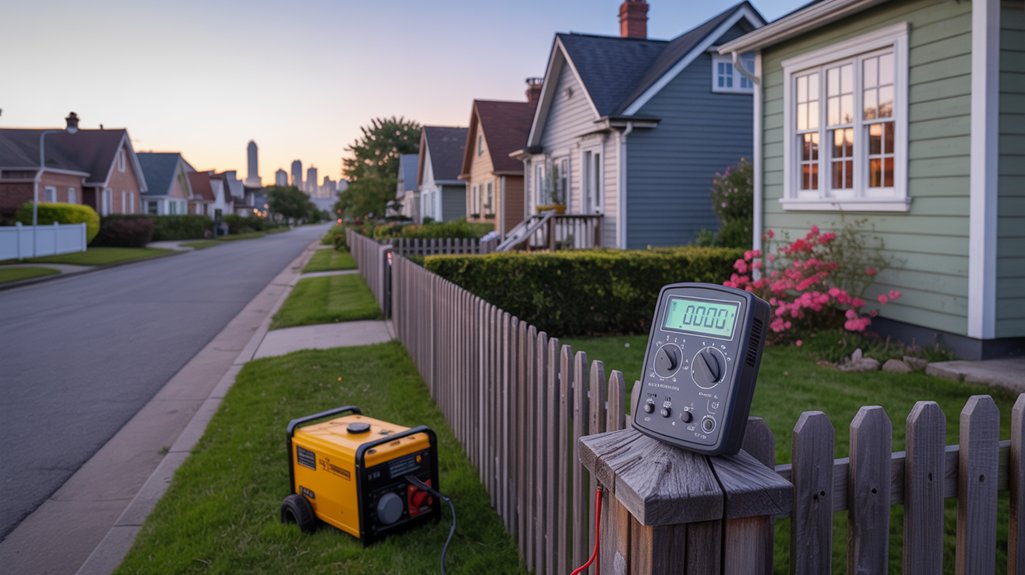
As sound doesn’t play nice on job sites, you’ll want to get real about measuring generator noise. Grab a decibel meter – your new best friend for tracking sound levels.
It’s vital to know exactly how loud your generator’s rumbling, especially near residential areas. Most construction sites aim to keep noise under 85 decibels, which prevents hearing damage and keeps neighbors from losing their minds.
Cheap digital meters work fine, but pro-grade devices give more precise readings. You’ll want to measure at different distances and angles. Quick tip: stand about 20-25 feet from the generator for a standard reading.
Anything consistently over 90 decibels means you’re gonna need sound barriers or a quieter machine. No shortcuts. No excuses.
Alternative Power Generation Options
Sick of that diesel generator drowning out everything and rattling the neighborhood? Time to explore alternative power setups that won’t make your ears bleed.
Solar panels are a solid choice – slap ’em on your roof, and you’re generating clean electricity without the ear-splitting noise. Wind turbines work too, especially if you’ve got some open land.
Battery storage systems are getting cheaper and more efficient, letting you stash power for when you need it most. Portable solar generators are another sweet deal – compact, quiet, and way less maintenance than traditional gas-guzzlers.
Hybrid systems that mix solar, wind, and battery tech can give you serious backup power without the constant rumble. No more waking up the entire block when the power goes out.
Legal and Financial Consequences of Noise Violations
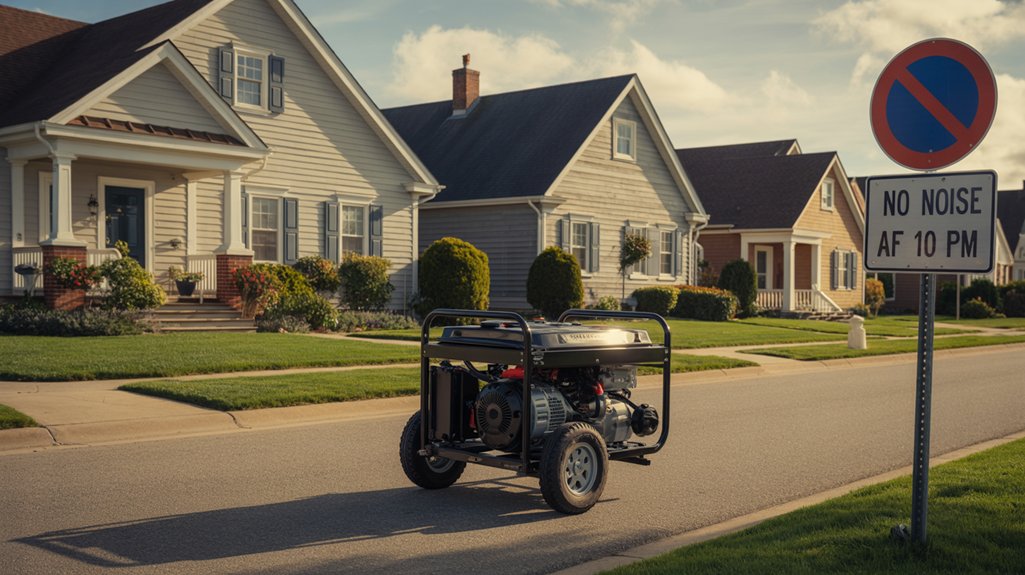
While most people think a loud generator is just a minor annoyance, noise violations can hit your wallet harder than a sledgehammer to drywall.
Local municipalities don’t mess around when it comes to noise regulations. You could be facing hefty fines that’ll make your bank account weep. Some cities charge per decibel, per hour, or even per complaint.
Repeat offenders? They’re looking at escalating penalties that’ll make your wallet shrink faster than a cotton shirt in the dryer.
Code enforcement doesn’t play nice. They’ll slap you with citations, potential legal action, and possibly even force you to stop work completely.
Worst-case scenario? You’re talking court appearances, massive legal fees, and a reputation that’ll make future clients think twice about hiring you.
Best Practices for Minimizing Community Disruption
The noise violation headache you just read about? It’s time to dodge those community drama bombs. Smart generator placement isn’t rocket science, it’s common sense with a dash of respect.
| Location | Noise Reduction | Distance | Impact |
|---|---|---|---|
| Backyard | High | 20+ feet | Minimal |
| Side Yard | Medium | 15 feet | Moderate |
| Front Yard | Low | 10 feet | High |
| Near Fence | Lowest | 5 feet | Maximum |
Check local noise ordinances. Know your limits. Generators aren’t quiet – they’re mechanical beasts that’ll wake up every light sleeper on the block. Position away from windows and bedrooms. Use sound barriers like fences or landscaping. Aim exhausts away from neighbors. Time your noisy work throughout reasonable hours. Simple moves, big difference. No one wants to be that guy causing neighborhood rage. Keep it cool, keep it considerate.
