
Generators on job sites? They’re walking lawsuits waiting to happen. You’ll need rock-solid insurance that covers equipment breakdown, liability, and property damage. One carbon monoxide leak or electrical mishap can drain your bank account faster than a busted hydraulic line. Your commercial general liability and equipment coverage aren’t just paperwork—they’re your financial bodyguard. Skimping means gambling with your business’s survival. Want the full breakdown on keeping your site safe and solvent?
Understanding Generator-Related Risks on Construction Sites

When you’re working on a job site, generators can be more dangerous than your buddy who’s had one too many energy drinks.
These power machines aren’t just big metal boxes—they’re potential hazards waiting to spark trouble. Electrical risks? Check. Fire potential? Absolutely. You’ve got fuel, hot surfaces, and moving parts that don’t play nice with careless workers.
Carbon monoxide’s the silent killer no one sees coming. One wrong move, and you’re looking at serious injury or worse. Generators demand respect. They’ll take you out faster than a site supervisor with a bad mood.
Proper placement matters. Ventilation isn’t discretionary. Surrounding equipment matters. Maintenance isn’t just a suggestion—it’s survival. One slip-up can turn your worksite from productive to disaster in seconds flat.
Essential Insurance Coverage for Generator Operations
As generators are walking lawsuits waiting to happen, smart contractors know insurance isn’t just paperwork—it’s your financial safety net.
Protect yourself from potential disasters with these vital coverage points:
- General Liability Insurance: Covers property damage and bodily injury if something goes wrong with your generator
- Equipment Breakdown Coverage: Handles repair or replacement costs when your generator decides to throw a tantrum mid-job
- Commercial Auto Insurance: Essential for transporting generators and related equipment between job sites
Your generator can turn into an expensive headache real quick.
One spark, one misstep, and you’re looking at thousands in damages. No joke.
Contractors who skimp on insurance are basically gambling with their entire business.
Think you’re bulletproof? Think again.
Insurance isn’t just a checkbox—it’s your financial lifeline when chaos strikes.
Legal Liability and Potential Financial Exposures

Generator mishaps can quickly spiral into legal nightmares that’ll drain your bank account faster than a hydraulic leak.
One wrong move on a job site, and you’re looking at potential lawsuits that’ll make your head spin. Property damage? Check. Worker injuries? Double-check.
Equipment failure can trigger a cascade of financial doom that’ll leave you scrambling. When generators go wrong, the legal fallout isn’t just a slap on the wrist—it’s a full-blown financial beatdown.
Imagine explaining to your boss or insurance company how a simple electrical malfunction turned into a multi-thousand-dollar disaster. These aren’t just hypothetical scenarios; they’re real risks lurking on every job site.
One spark, one leaked fuel line, one moment of negligence—and you’re toast. Legal exposure is no joke.
Safety Protocols for Generator Usage and Risk Mitigation
After wading through the legal quicksand of potential generator disasters, smart job site managers know prevention beats litigation every single time.
Generator safety isn’t rocket science—it’s about keeping your crew and equipment intact. Your protection strategy should include:
- Mandatory personal protective equipment (PPE) for all generator operators
- Regular equipment inspection and maintenance checks
- Clear zone markings and restricted access around generator stations
No shortcuts. No excuses.
Generators are powerful machines that’ll bite back if you’re careless. Proper grounding, ventilation, and fuel handling aren’t suggestions—they’re survival tactics.
Electrical hazards don’t care about your weekend plans or how experienced you think you are. One slip-up can mean serious injury or worse.
Stay alert. Stay smart. Your life and your team’s lives depend on treating these machines with serious respect.
Contractor and Subcontractor Insurance Responsibilities
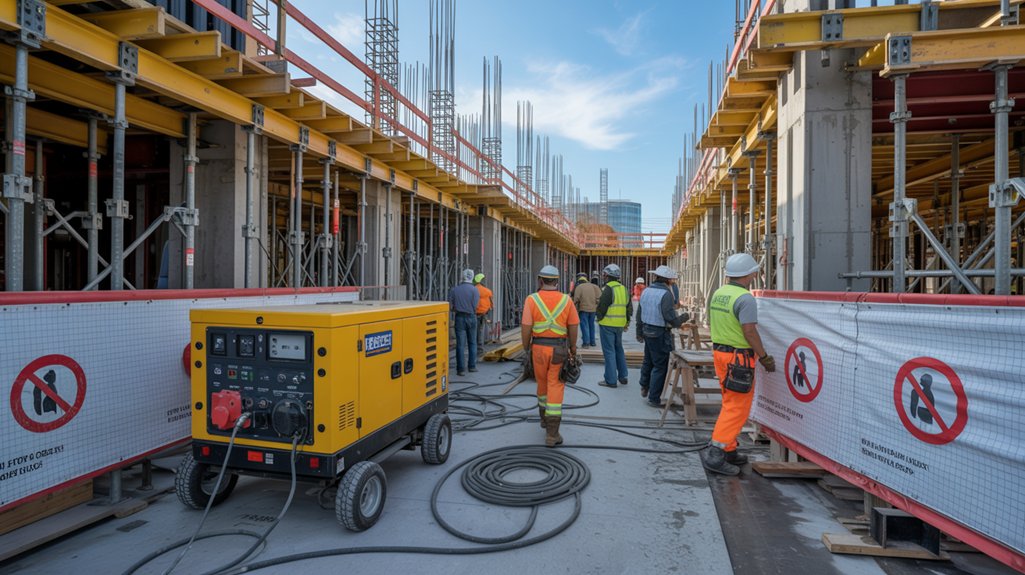
When job sites start humming with generators and power tools, insurance isn’t just paperwork—it’s your financial safety net. Contractors and subcontractors need rock-solid coverage that protects against potential generator-related disasters. Your liability policy isn’t just a fancy document—it’s your shield against massive financial hits.
Different jobs mean different risks. Commercial general liability won’t always cut it. You’ll want specific endorsements that cover equipment rental, property damage, and potential worker injuries.
Generators can be tricky beasts. One wrong move, and you’re looking at thousands in damages.
Subcontractors? Don’t think you’re off the hook. You’ll need your own thorough policy that clearly outlines generator use and potential hazards.
No cutting corners. No wishful thinking. Just solid, clear protection that keeps you working—and financially secure.
Equipment Maintenance and Its Impact on Insurance Claims
Insurance might look like a stack of papers, but proper equipment maintenance is the real unsung hero preventing claim nightmares. Your generators and tools aren’t just metal monsters – they’re potential lawsuit magnets if you don’t keep ’em in check.
Smart contractors know maintenance isn’t a choice:
- Regular inspections catch wear and tear before it becomes a problem
- Documented service records protect you when insurance adjusters come knocking
- Proactive maintenance reduces unexpected breakdowns that halt job progress
Let’s be real: insurance companies love finding reasons to deny claims. One overlooked oil change or ignored warning light could torpedo your entire coverage.
Skipping maintenance is like playing financial Russian roulette with your business. You’ve worked too hard to let preventable equipment failures sink your reputation or drain your bank account.
Keep your gear tight, your records clean, and watch those insurance headaches disappear.
Worker Protection and Compensation Considerations
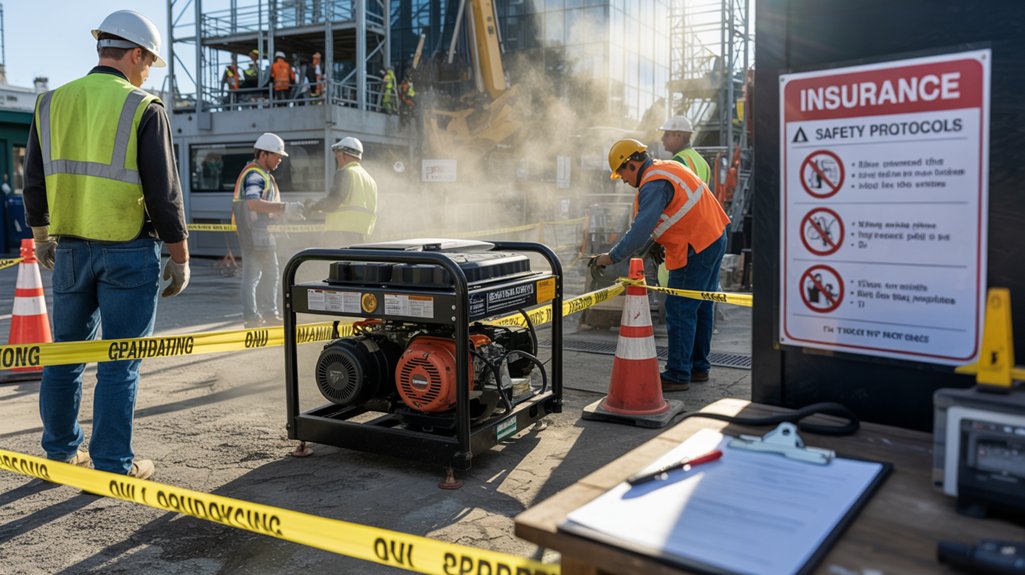
While generators hum and concrete sets, worker safety isn’t just a checkbox—it’s survival on the job site. You’ve got risks everywhere, and smart crews know protection matters. Compensation isn’t a handout—it’s earned through sweat and careful work.
| Risk Category | Potential Impact | Prevention Strategy |
|---|---|---|
| Physical Injury | Lost Work Time | Proper PPE |
| Equipment Hazards | Medical Expenses | Training Programs |
| Environmental | Long-Term Disability | Safety Protocols |
Worker’s comp isn’t charity. It’s what keeps you standing when something goes wrong. Generators create electricity, but they also create danger zones. One wrong move? You’re looking at weeks off the site. No paycheck. No progress. Insurance isn’t just paperwork—it’s your financial lifeline when things get dicey. Stay sharp. Stay protected. Your body’s the most valuable tool on any job site.
Emerging Technologies in Generator Safety and Insurance Management
Technology’s changing the game faster than you can drop a power cord. Smart monitoring‘s hitting job sites like a thunderbolt, transforming how we handle generator risks and insurance nightmares.
- IoT sensors now track generator performance in real-time, alerting you to potential failures before they become expensive headaches.
- AI-powered predictive maintenance algorithms can forecast equipment wear and potential safety issues.
- Blockchain technologies are emerging to streamline insurance documentation and claims processing.
You’ll see these tech solutions cutting through bureaucratic red tape like a hot knife through butter. No more waiting weeks for insurance claims or dealing with sketchy equipment reports.
The future’s about instant data, crystal-clear accountability, and keeping your crew safe without drowning in paperwork. Tech’s not just making generators smarter—it’s making job sites safer, faster, and way less of a hassle.
