
Cheap generators are electrical hand grenades waiting to blow up your expensive gear. Their janky power output throws wild voltage punches that’ll knockout your computer, smart TV, and other delicate electronics. Voltage spikes and random electrical noise will fry circuit boards faster than you can say “budget generator.” Those unstable power waves create micro-damage that silently murders your tech. Stick around, and you’ll learn how to dodge this digital disaster.
Understanding Power Quality and Generator Output
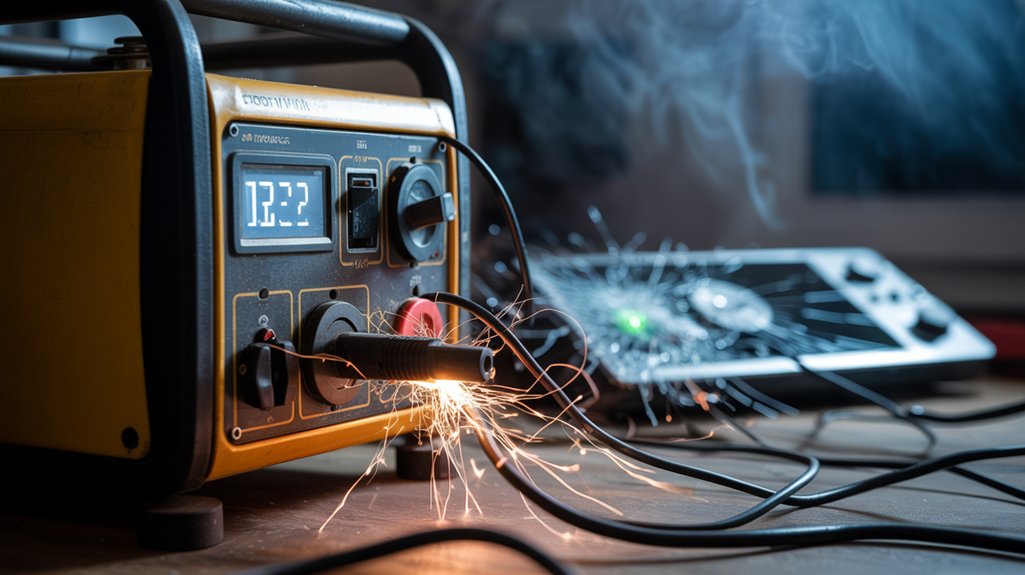
When cheap generators hit the market, power quality becomes a wild ride. These budget machines aren’t playing by standard electrical rules.
They’ll pump out wonky voltage that’ll make your equipment go nuts. Fluctuating power? Totally a thing with these bargain basement generators. Your sensitive electronics won’t appreciate the electrical rollercoaster.
Some generators produce power so unstable it’s like a drunk electrician wired the darn thing. Voltage spikes and drops happen faster than you can blink. Cheap doesn’t mean good – it means risky.
Professional-grade generators maintain consistent output. But these budget monsters? They’re electrical wildcards. Random surges. Unexpected drops. Your expensive gear takes the hit.
And trust me, that’s gonna hurt more than the generator’s price tag. Power isn’t just about watts – it’s about reliability.
Common Electrical Risks in Low-Cost Generators
Those cheap generators aren’t just a bad electrical joke—they’re a live wire of potential disaster. Low-cost power sources can wreak serious havoc on your expensive equipment.
Voltage fluctuations? They’ll murder your sensitive electronics faster than you can say “power surge.” Unstable frequency output means your gear’s getting hammered by unpredictable electrical waves.
Cheapo generators often produce dirty power—harmonic distortions that’ll fry circuit boards like bacon. You’re basically running a electrical Russian roulette when you plug in critical devices.
Sporadic power spikes and drops mean your machinery’s experiencing constant micro-beatdowns. No joke: these budget generators are electrical gremlins waiting to trash your investment.
Random electrical noise. Unexpected current shifts. Total equipment vulnerability. One moment you’re saving cash, the next you’re looking at thousands in repair costs.
Vulnerable Electronic Systems and Potential Damage
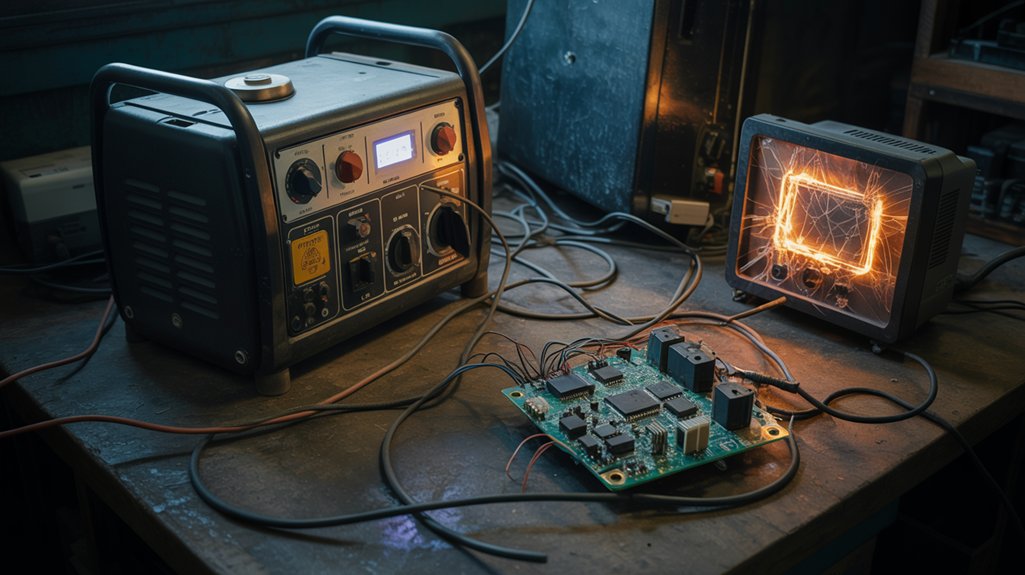
As cheap generators are electrical wild cards, your sensitive electronics are constantly dancing on the razor’s edge of destruction.
Unstable power isn’t just annoying—it’s a silent killer of expensive gear. Voltage spikes? They’ll fry circuit boards faster than you can say “warranty void.”
Computers, smart TVs, gaming consoles—all potential victims of these electrical gremlins. Cheap generators produce power that jumps and dips like a drunk on a tightrope.
Microprocessors hate that nonsense. One moment you’re gaming, the next—dead hardware.
Surge protectors aren’t magic shields against this chaos. Delicate electronic components get stressed, degraded, sometimes instantly fried. No mercy.
These generators might save you cash upfront, but they’ll cost you big when your $1,000 laptop turns into an expensive paperweight.
Financial Impact of Equipment Failure
As cheap generators are electrical roulette, the financial fallout from fried electronics can gut your wallet faster than a demolition crew. Your critical equipment doesn’t stand a chance against unstable power.
Those bargain-bin generators might seem like a sweet deal, but they’re basically ticking time bombs for your expensive tech.
Here’s what happens when power quality tanks:
- Sensitive electronics get zapped beyond repair
- Replacement costs skyrocket unexpectedly
- Business downtime becomes a massive revenue killer
No joke—one bad power surge can obliterate thousands in equipment. Computers, servers, industrial machinery? Toast.
One moment they’re humming along, next they’re expensive paperweights. Cheap generators might save you a few bucks upfront, but they’ll bleed you dry when your gear starts dying.
Occasionally saving money costs way more than you’d think.
Selecting the Right Generator for Critical Applications
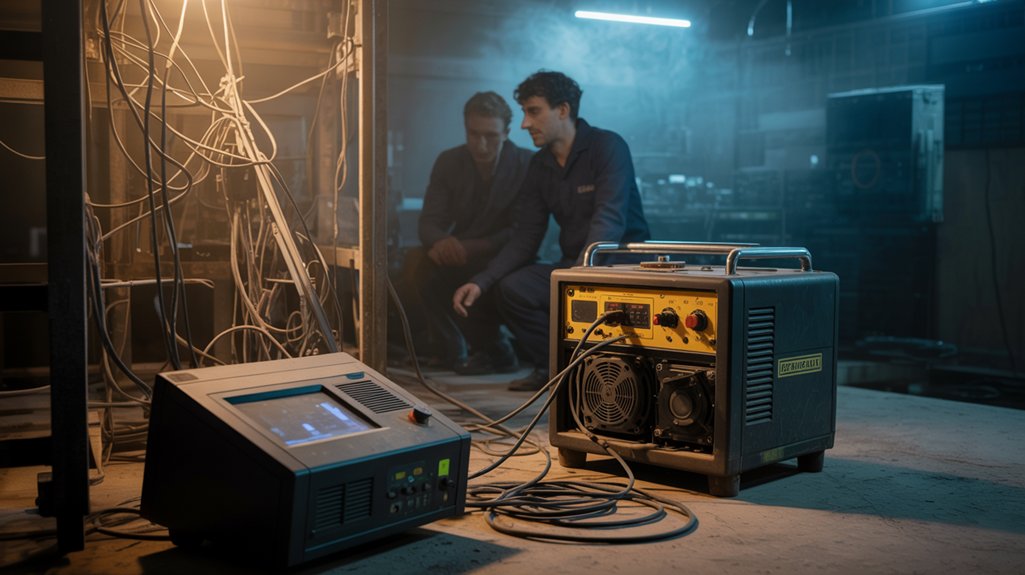
After watching your pricey electronics get nuked by garbage generators, you’ll want a smarter game plan.
Don’t just grab the cheapest alternative and hope for the best. Critical applications demand serious power solutions that won’t crater your expensive gear.
Look for generators with stable voltage regulation, clean sine wave output, and sufficient power capacity for your specific needs. Surges and fluctuations? They’ll destroy sensitive equipment faster than you can say “electrical nightmare.”
Invest in a quality generator with strong protection mechanisms. Commercial-grade units might cost more upfront, but they’ll save your bacon in the long run.
Cheap isn’t always smart. Reliability matters. Performance matters. And keeping your expensive tech alive? That definitely matters.
