
Generator grounding isn’t rocket science, but mess it up and you’ll create an electrical nightmare. You need a solid ground rod, thick copper wire, and zero shortcuts. Separate your neutral from ground, use proper clamps, and always check continuity before powering up. Damaged or corroded equipment? Swap it out. Bad connections can zap you faster than you can say “worker’s comp.” Stick around—there’s more to this safety game.
Understanding Electrical Grounding Fundamentals
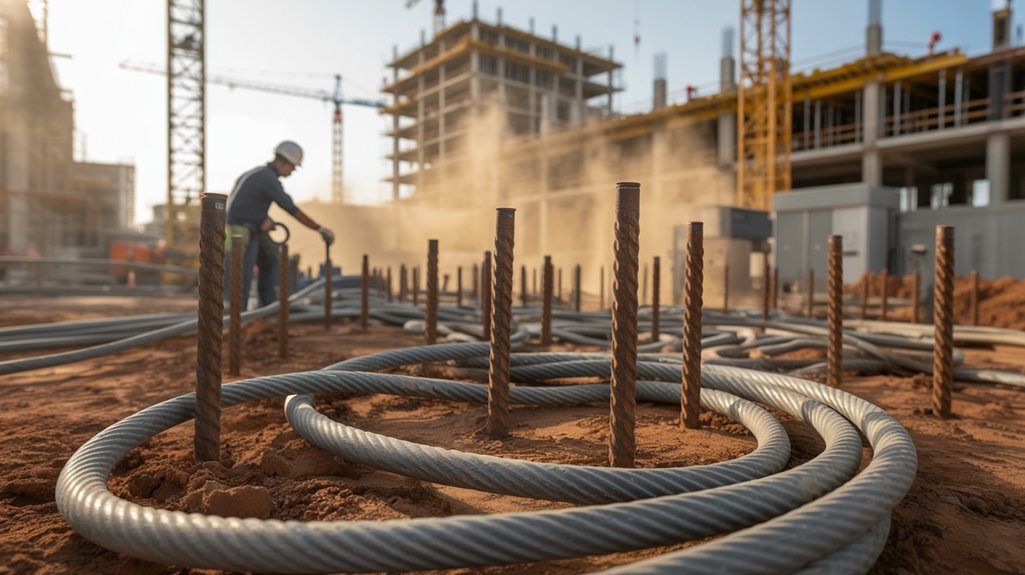
Electricity’s a wild beast on construction sites, and grounding’s your leash. It’s about controlling that invisible power dancing through wires and metal.
Your generator isn’t just a machine—it’s a potential lightning rod waiting to zap someone if you don’t know what you’re doing. Grounding means creating a safe path for electrical current, redirecting dangerous energy away from workers and equipment.
Think of it like a safety valve. Without proper grounding, you’re basically inviting electrical chaos to your jobsite. Static charges build up. Currents go rogue. Equipment gets fried. And nobody wants that mess.
Grounding isn’t rocket science, but it demands respect. One wrong move, and you’re looking at serious risk.
Stay sharp. Stay connected. Stay safe.
Types of Generator Grounding Systems
When it comes to generator grounding, you’ve got more choices than a Swiss Army knife.
Listen up, as generator grounding systems aren’t just some boring tech mumbo-jumbo. Here’s the deal:
- Separately derived systems: These bad boys create their own neutral-ground connection, totally independent from other power sources. Sweet.
- Portable generators: Typically require a separate grounding rod when used at job sites. No shortcuts here, people.
- Permanent generators: Often have built-in grounding mechanisms that connect directly to your electrical system. No extra hardware needed.
Each system’s got its quirks. Some require more work. Some are plug-and-play.
Bottom line? Know your setup. Understand the basics. Don’t mess around with electricity—it’ll bite you faster than a rabid raccoon. Safety first, always.
Critical Safety Requirements for Electrical Bonding
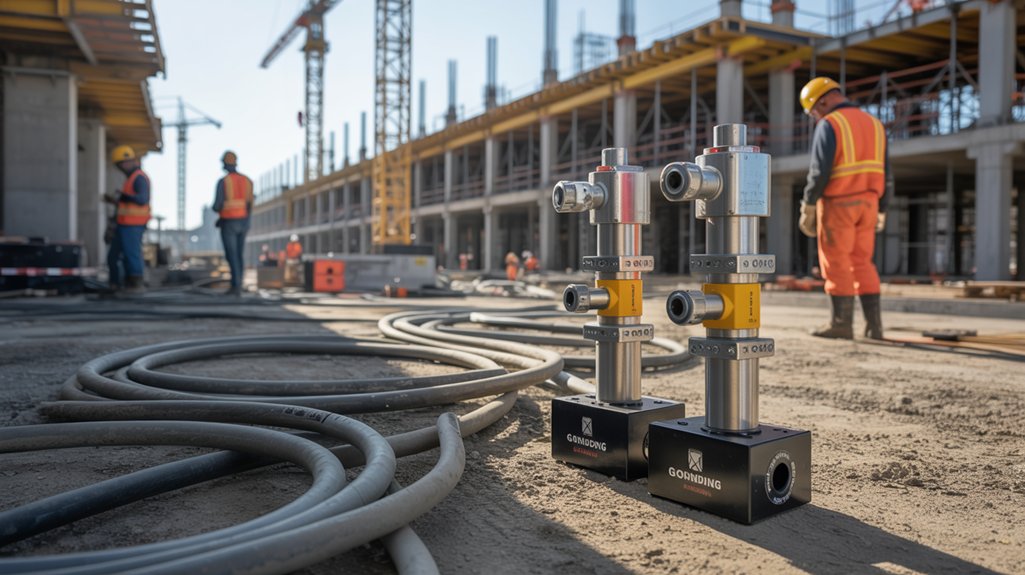
Bonding prevents stray currents from creating dangerous voltage differences.
Think of it like creating a safe electrical highway where electricity can flow without turning your worksite into a potential death trap.
Seriously. One bad connection can mean the difference between walking away and getting zapped.
Stay sharp. Stay grounded.
Common Mistakes in Generator Grounding Practices
Though generator grounding might seem simple, most jobsite crews royally screw it up more often than you’d believe.
Seriously, electrical safety isn’t rocket science, but people manage to mess it up spectacularly. Here are the top three bonehead moves that’ll get you in trouble:
- Ignoring proper ground rod installation depth
- Using damaged or corroded grounding equipment
- Skipping ground continuity checks before powering up
Look, you can’t just wing it and hope for the best. One wrong move, and you’re looking at potential electrical disasters.
Cutting corners isn’t just stupid—it’s dangerous. These mistakes can turn your construction site into a potential electrocution playground. No joke.
Your crew’s safety depends on doing this right. Period. Get trained, stay alert, and don’t be that guy who thinks he knows everything about generator grounding.
Equipment and Tools for Proper Generator Grounding
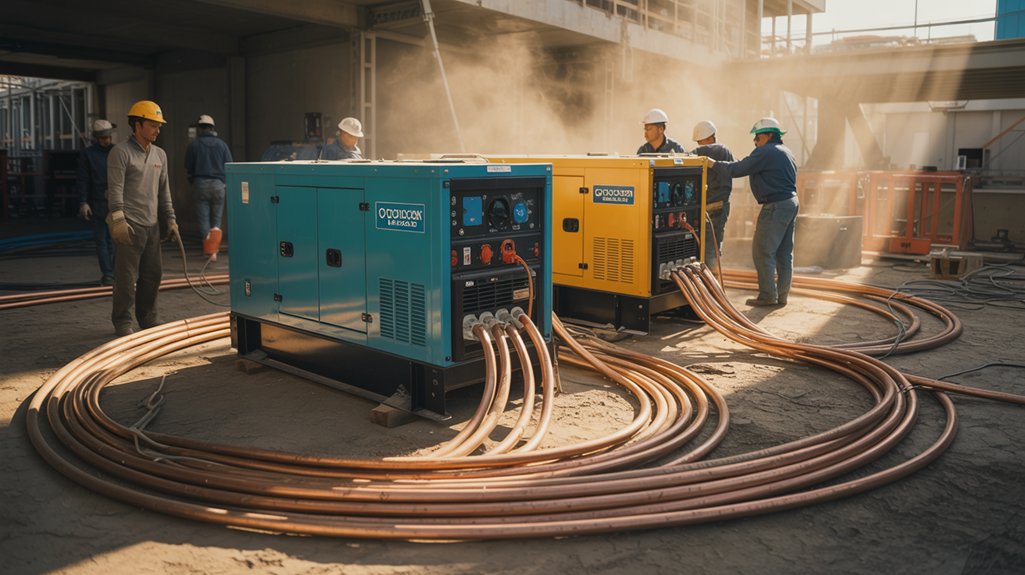
The electrical safety arsenal for generator grounding isn’t just some random toolbox collection—it’s your lifeline on a chaotic construction site.
You’ll need serious gear: copper-bonded grounding rods, hefty ground clamps, insulated gloves, and a quality multimeter. Forget shortcuts. These aren’t suggestions—they’re survival tools.
A solid grounding rod (usually 8-foot length) drives deep into earth, creating that critical electrical pathway. Wire gauges matter big time. You want thick, sturdy copper wire that can handle serious electrical loads without wimping out.
Ground clamps? Tight and corrosion-resistant. No wiggle room. Your multimeter becomes your truth detector, verifying connections and resistance. One loose connection could turn your worksite into a potential disaster zone.
Safety isn’t expensive—it’s priceless. Period.
Risk Assessment and Preventive Measures
Alright, after gearing up with the right equipment, you can’t just kick back and assume everything’s safe.
Risk is everywhere on a construction site, especially when you’re dealing with generators. Here’s what you need to watch out for:
- Electrical hazards that can shock you into next week
- Ground fault risks that can turn your worksite into a danger zone
- Potential equipment damage from improper bonding techniques
Look, generators aren’t toys. One wrong move and you’re risking serious electrical issues.
You’ve got to stay sharp, stay focused, and never get complacent.
Electrical systems are unforgiving – they don’t care about your experience or how careful you think you’re being.
Proper grounding isn’t just a suggestion; it’s survival 101 on a construction site. Period.
Best Practices for Electrical Safety on Construction Sites

As electrical mishaps can turn a job site into a nightmare faster than you can say “lights out,” you’ve got to nail down some rock-solid safety practices.
Always assume equipment’s live. No exceptions. Wear proper personal protective equipment (PPE) like insulated gloves and safety glasses. Keep your work area clean and dry. Never work on electrical systems when you’re tired or distracted.
Double-check connections before powering up. Inspect cords and tools for damage regularly. Use ground fault circuit interrupters (GFCIs) everywhere. Keep non-essential personnel away from electrical zones.
Maintain a safe distance from power lines and overhead wires. Know your emergency shutdown procedures cold. One wrong move? You’re toast.
Stay alert, stay alive. Electrical safety isn’t rocket science—it’s about being smart and paying attention.
