
Construction generators get hammered daily, needing service every 50-100 runtime hours. Your home standby unit? Different story. Annual checkups work fine. Daily visual scans matter – check fluids, listen for weird sounds. Diesel eats more maintenance than gas. Track voltage, runtime, and performance. Skip maintenance, and you’ll trash expensive equipment. Want the full generator survival guide? Stick around, tough guy.
Understanding Generator Usage Patterns
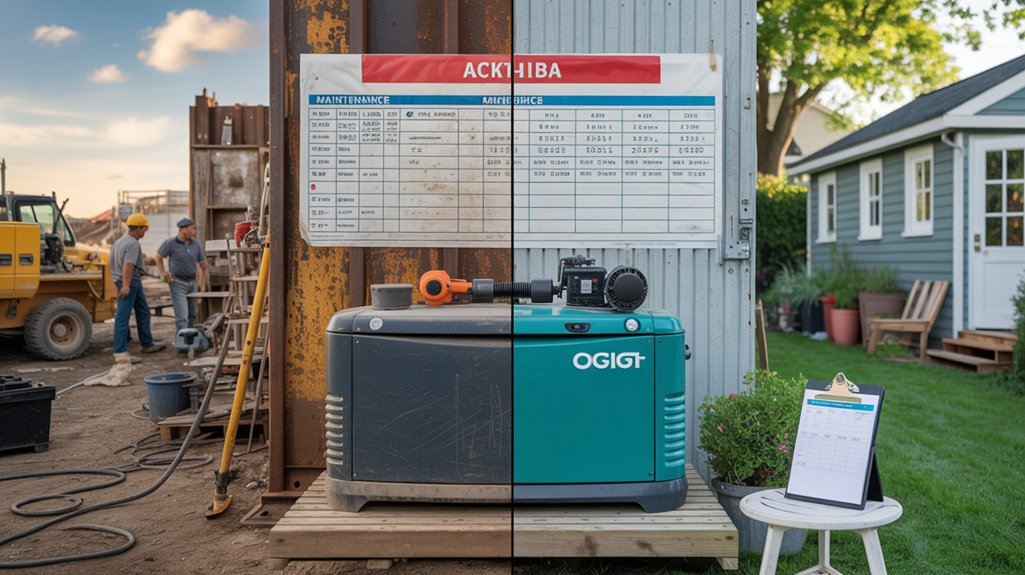
Whether you’re running a job site or keeping backup power ready, understanding your generator’s usage patterns isn’t just some fancy engineering talk—it’s survival 101 for equipment management.
Different machines get hammered differently. Construction generators? They’re battle-worn workhorses, taking constant punishment from dust, vibration, and rough handling.
Home standby units? More like pampered princesses, sitting pretty until an emergency hits. Your usage determines everything—wear and tear, maintenance frequency, lifespan. High-intensity work means more stress. Sitting idle? Different story.
Know your generator’s rhythm. Construction sites demand daily resilience. Residential backup needs reliability when things go sideways. One size doesn’t fit all.
Each generator tells a story through its use. Listen close. Watch the patterns. Don’t ignore the signals your machine’s throwing down.
Daily Maintenance Protocols
The generator’s daily health check isn’t rocket science—it’s grunt work that saves your butt later. Quick inspections prevent major headaches down the line. Your machine needs consistent love to keep running smooth.
Key daily checks include:
- Visual scan for obvious damage or fluid leaks
- Check oil levels and coolant – top off if needed
- Listen for weird sounds that shouldn’t be happening
Catch problems early, or you’ll be stuck with a dead generator when you need it most. No joke.
Generators aren’t babysitters—they require your attention. Five minutes of checking can save you hundreds in repair costs. Don’t be lazy.
Walk around the unit, use your eyes, and trust your ears. A well-maintained generator is like a good work truck: dependable and ready when you need it.
Routine Service Intervals
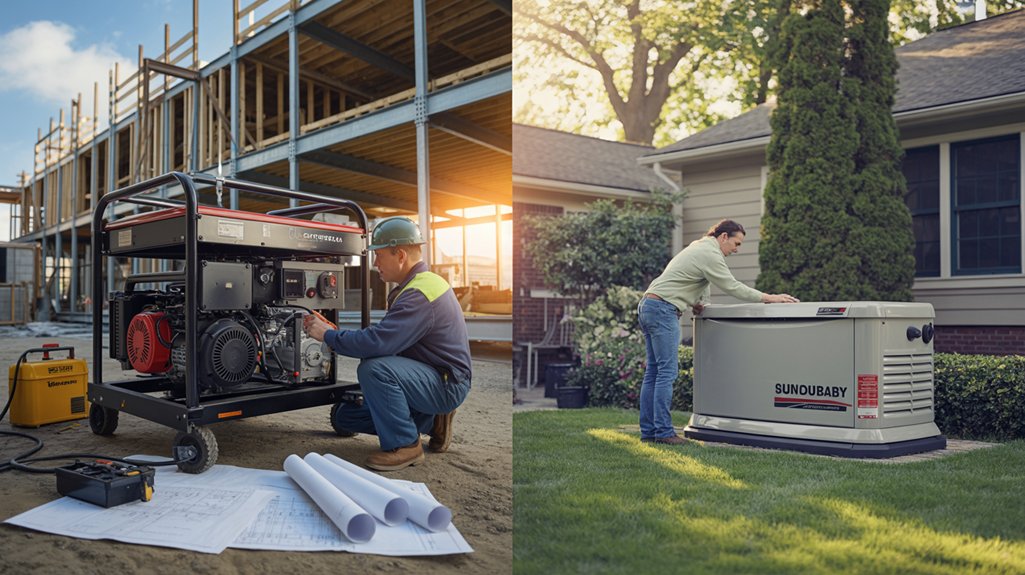
Daily checks are just the start—keeping your generator humming means tracking regular service intervals like a hawk.
You’ve got maintenance schedules that’ll make your machine last. Depending on usage, you’ll be checking oil, filters, and spark plugs at different points.
Construction generators take a brutal beating. Expect more frequent service—every 50-100 hours of runtime.
Home standby units? They’ve got it easier. Typically, you’re looking at annual checkups. Spark plug replacements. Air filter swaps. Battery tests.
Don’t get lazy. These machines aren’t babysitters. One missed interval can trash your expensive equipment faster than a jobsite port-a-potty gets nasty.
Mark your calendar. Set reminders. Your generator’s lifeline depends on consistent, timely maintenance. No excuses.
Environmental Impact Considerations
One major green concern with generators is their carbon footprint. Diesel and gas generators pump out some serious emissions that’ll make an environmentalist cringe.
Let’s break down the environmental impact:
- Fuel type matters – diesel tends to be dirtier than natural gas
- Emissions vary based on generator size and usage frequency
- Older models are way worse pollution machines than newer, cleaner tech
Look, generators aren’t exactly winning any eco-awards. They’re necessary, but not planet-friendly.
Construction sites and backup home generators contribute to air pollution, no doubt. Newer models have improved emissions control, which helps.
But if you’re running a generator constantly? You’re basically giving Mother Nature a big, smoky middle finger. Just being real.
The environmental trade-off is real – convenience versus ecological impact. Tough choice, but that’s the reality.
Performance Monitoring Techniques
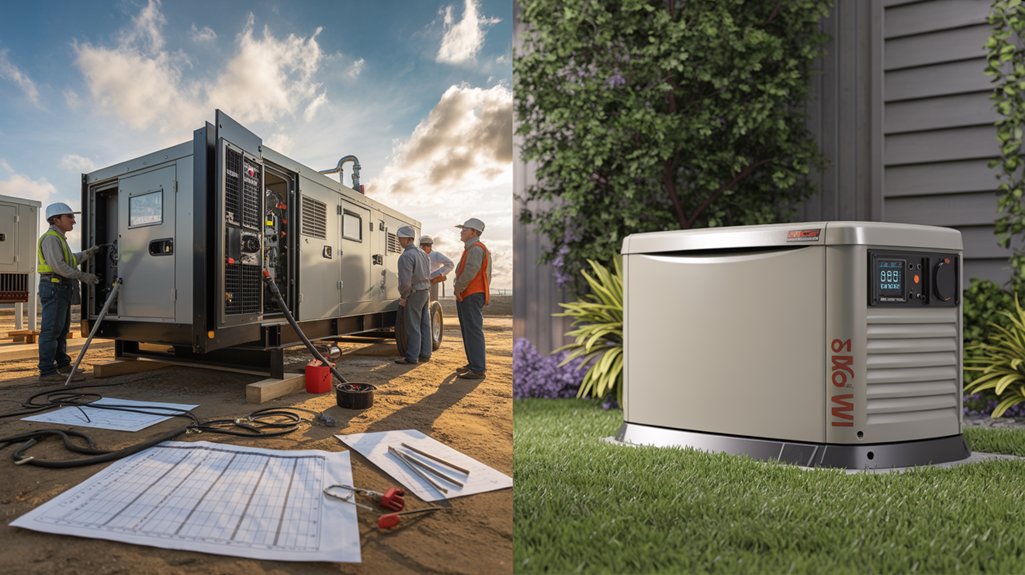
After wrestling with environmental concerns, smart generator operators know tracking performance isn’t just about feeling good – it’s about keeping the machine running like a well-oiled machine.
Monitoring your generator’s heartbeat means checking voltage output, fuel consumption, and runtime hours. Dig into those metrics like you’re inspecting a sketchy job site. Weird fluctuations? Red flag. Consistency matters.
Use digital monitoring tools that give real-time data – no guesswork. Temperature readings, oil pressure, RPM – track ’em all. These aren’t just numbers; they’re your generator’s crucial signs.
Catch potential issues before they become expensive breakdowns. Listen to the machine. It’ll tell you when something’s off.
Pro tip: Regular checks prevent surprise failures. Don’t be that guy stuck with a dead generator when you need power most.
Long-Term Maintenance Strategies
When generators start showing their age, smart maintenance isn’t just wishful thinking – it’s survival. You’ll want to stay ahead of potential breakdowns that’ll cost you big time.
Generators need consistent TLC to keep running like champs.
- Regular thorough inspections prevent catastrophic failures
- Track wear and tear on critical components religiously
- Schedule proactive replacements before total system collapse
Don’t kid yourself – waiting until something breaks is amateur hour. Your generator’s lifespan depends on how well you treat it.
Consistent maintenance isn’t just about preventing downtime; it’s about protecting your investment. Think of it like taking care of a beast that needs constant attention.
Some components wear faster than others, so you’ve gotta be sharp and stay on top of things. No excuses.
